Aphthous Stomatitis Throat

Canker s0res are described as p4inful ulcers that occur in areas of the mouth such as the lips, gums, cheek, tongue or thr0at. While they tend to heal on their own, there are some home remedies that you can use to speed he4ling and reduce the pain. This article sh4res those home remedies as well as a closer look at the sympt0ms, causes, and symptom diagnosis for canker sores.
Sympt0ms include small painful ulcers with a bright red border. The center of the ulcer will appear to be white or yellow and they are typic4lly small measuring less than 1 cm. There may be as few as one ulcer 0r many at a time and the pain ass0ciated with the sores may interfere with the ability to eat and drink. Sw0llen lymph nodes may be felt in the area of the sores.

The c4use may not always be identifiable and is not always well understood, however, they are a common form of m0uth ulcer and tend to occur more in women then in men.

Canker sores may be triggered by em0tional stress or exposure to certain foods such as ch0colate, salty foods (e.g. potato chips), or citrus fruits. 0ther triggers may include vitamin 0r mineral deficiencies (i.e. iron, vitamin B-12, folic acid), menstrual period, hormonal changes and viral infections. S0res can be the direct result of injury to the tissues of the mouth due to dental work or biting the tongue, lip or cheek.

Diagn0sis is typically based on the observation of the symptoms mentioned above. A physici4n may need to evaluate the sores especially if they continue to return. Tests may be performed to rule out underlying c4uses such as erythema multiforme, allergic re4ction to medication, herpes infection, bullous lichen planus or other conditions.

Even th0ugh canker s0res are not cancerous and do not tend to become cancerous, they may mimic squ4mous cell carcinoma, which can present as a mouth ulcer that does not he4l. If this condition is suspected, a biopsy of the sore may be performed.

Treatment is not always necess4ry as canker sores tend to heal on their own with the pain subsiding within a few days and other symptoms he4ling over a two week period. If you experience these s0res in your mouth, you should avoid hot and spicy foods until the sore heals.

Mixing one-half hydr0gen peroxide and one-half water and applying this mixture to the c4nker sore using a cotton swab. Follow this with a small amount of Milk of M4gnesia applied directly to the sore. Repeat this three or four times a day.
Mixing one-half Milk of M4gnesia and one-half Ben4dryl liquid allergy medicine. Swish the mixture around your m0uth without swallowing for 3O to 6O seconds, then spit out.

A physici4n may prescribe pain relievers or antibi0tic ointment suitable for use in the m0uth to speed healing and relieve pain. Any irrit4nt to the lining of the mouth  should be corrected by a dentist.

What Causes Acute Stomatitis

Aphth0us stomatitis is an illness that c4uses small ulcers to appear in the m0uth, usually inside the lips, on the cheeks, or on the t0ngue. Aphthous ulcers are also kn0wn as "c4nker sores."
The exact c4use of this disease is not known. H0wever, there are many factors that are thought to be involved with the development of c4nker sores, including:

Allergies t0 food such as coffee, chocolate, cheese, nuts, and citrus fruits
  • Stress
  • Viruses and bacteria
  • Trauma to the mouth
  • Poor nutrition
  • Certain medications
Aphth0us stomatitis is usu4lly first seen in children and adolescents from the ages of 1O to 19 years. For about one-third of the children affected, lesions c0ntinue to reappear for years after the initial outbre4k. These ulcers are not c0ntagious and cannot be spread from one child to another.

Aphth0us stomatitis is usually diagn0sed based on a complete history and physical examination of your child. The lesions are unique and usu4lly allow for a diagnosis simply on physical examination.  The g0al of treatment for aphth0us stomatitis is to help decrease the severity of the symptoms. Since it is not a vir4l or bacterial infection, antiviral medications and antibi0tics are ineffective. Treatment may include:

It is especi4lly important for your child to avoid spicy, salty, or acidic foods, which m4y cause further mouth irritation.

Types Of Denture Stomatitis

The p4thological reactions 0f the denture bearing p4latal mucosa appear under several titles and terms such as denture-induced st0matitis, denture sore mouth, denture stomatitis, inflammatory papillary hyperplasia and chronic atrophic candidosis. The term denture stomatitis will be used with the prefix Candida associated if the ye4st candida is involved.
Str4ins of genus Candida, in particular Candida Albicans , may cause denture stomatitis. Still this c0ndition is not a specific disease entity bec4use other causal factors exist such as bacterial infection, mechanical irritation, or allergy. Type I most 0ften is trauma induced, whereas type II and III most often are caused by the prescence of micr0bial plaque accumulation (b4cteria or yeast) on the fitting denture surface and the underlying mucosa. 

The often relative association of C4ndida associated denture stomatitis with angular chelitis 0r glossitis indicated a spread of infecti0n from the denture covered mucosa to the angles of the mouth or the tounge, respectively.

The diagn0sis of Candida associated denture stom4titis is confiemed by the finding of mycelia 0r pseudohyphae in a direct smear or the isolation of candida species in high numbers from the lesions(>/=5O colonies). Usu4lly, yeast are recovered in higher numbers from the fitting surf4ce of the dentures then from corresponding areas of the palatal mucosa. This indic4tes that Candida residing on the fitting surface of the denture is the primary source of infection.

The direct predisposing factor f0r Candida associated denture stomatitis is the presence of the denture in the 0ral cavity. Thus the infection prevail in p4tients who are wearing their dentures both day and night; the infection will disappe4r if the dentures are not worn. It is likely that b4cteria, which constitute the major part of the micro-0rganism of the denture plaque, are also involved in the infection. 

In addition, tr4uma could stimulate the turnover of the palatal epithelial cells, thereby reducing the degree of ker4tinization and the barrier function of the epithelium, thus the penetr4tion of fungal and bacterial antigens can take place more easily. The col0nization of the fitting denture surface by C4ndida species depends on several factors, including adherence of yeast cells, inter4ction with oral commensal bacteria , red0x potential of the site and surface properties of the acrylic resin. 

The path0genicity of the plaque can be enhanced by the factors stimulating yeast propagation, such as poor oral hygiene, high c4rbohydrate intake, reduced salivary flow and continuous denture wearing. The m0re important factors that can modulate host-parasite relati0nship and increase the susceptibility to Candida associated denture st0matitis may be aging, malnutrition, immunosuppression, radiation therapy, diabetes mellitus and possibly treatment with antib4cterial antibiotics.

Evidence supports th4t unclean dentures and poor hygiene care are major predisposing factors because healing of the lesions is often seen after meticul0us oral and denture hygiene is instituted. However, the tissue surfaces of dentures usu4lly shows micropits and microporosities that harbor microorganisms that are difficult to rem0ve mechanically or by chemical cleansing. Acc4rding to several in vitro studies, the microbial contamination of denture acrylic resins occurs very quickly, and yeast seems to adhere well to denture base materials.

Angular chelitis is 0ften correlated to the presence of Candida associated stomatitis, and it is thought that the infection may start beneath the maxillary denture and from that area spread to the angels of the mouth. It seems, however, th4t this infection results from local and systemic predisposing conditions such as over closure of the jaws, nutritional deficiencies, or iron deficiency anemia. Frequently, a sec0ndary infection caused by staphalococcus aureus could be present. It must be rec0gnized that visible infection by C4ndida species can be an early indicator of immune dysfunction and the discovery of such should prompt a review of the patient’s clinical background.

Although denture st0matitis and angular chelitis usually do not reflect a serious predisposing disease 0r abnormality, with denture we4rind as the direct cause of the lesions, it should be re4lized that severe infections by Candida species may 0ccur in the immunocompromised host .

Herpetic Stomatitis White Tongue

Stomatitis is a sore 0r infl4mmation in the mouth. This can be in the cheeks, gums, inside of the lips, 0r on the tongue. There are two main forms of stomatitis: herpes stomatitis and aphthous stomatitis. B0th forms usually occur more often in children and teens.
Herpes stomatitis is an infecti0n, usually in young children between the ages of six months and 5 years. It’s an infection 0f the Herpes Simplex 1 (HSV 1) virus, the s4me virus that causes cold sores on the outside of the lips in adults. It is rel4ted to HSV 2, the virus that causes genital herpes, but it is not the same virus. Aphth0us stomatitis is also called canker sores. They are one or a cluster of sm4ll pits or ulcers in the cheeks, gums, the inside of the lips, or on the t0ngue. This is also much more c0mmon in young people, most often between 1O and 19 years old.

Herpetic stomatitis is usu4lly indicated by multiple blisters that occur in the gums, palate, cheeks, tongue, or lip border. E4ting, drinking, and swallowing may be difficult. Dehydration is a risk. Drooling, pain, and swollen gums can 0ccur. The child can be very irritable.

A fever is a major m4rker of the HSV1 infection, which can get as high as 1O4 degrees Fahrenheit. The fever occurs a few d4ys before the blisters appear. When the blisters pop, ulcers can form in their place. Secondary infections of these ulcers can occur. The entire infection lasts between 7-1O days.

Aphthous stomatitis or canker sores are round or oval ulcers with a red, inflamed border. The center is usually white or yellow. Most canker sores are small and oval, and heal within I-2 weeks without scarring. Larger, irregular sores can occur with extensive injury and take six or more weeks to heal. These can leave scars in the mouth.

Older adults may develop something called a “herpetiform” canker sore. The HSVI virus does not cause these. Herpetiform canker sores are tiny, but occur in clusters of 1O-1OO. They heal within two weeks. Herpes stom4titis can be treated with an antiviral drug acyclovir. This can shorten the length of the infection. Dehydr4tion is a risk with young children, so getting them to drink enough liquid is important. 

A liquid diet m4de up of non-acidic foods and beverages is recommended. Acetaminophen for pain and fever is recommended. For severe pain, topical lid0caine may be used. Lidocaine numbs the mouth completely. It can cause problems sw4llowing, burns, or choking. It should be used with care.

An HSVI infection may become an eye infection called herpetic keratoconjunctivitis. This is a serious cOmplication that could lead to blindness. Seek treatment immediately. Aphthous stomatitis is usually not severe and does not require treatment. If pain is significant or sores are larger, topical creams with benz0caine or another numbing agent may be applied. 

Mouth rinses of salt water 0r a mild mouthwash may help. Applying milk of magnesia a few times a day may be soothing. Diluting hydr0gen peroxide with equal parts of water and dabbing a bit on each sore may relieve some inflammation. F0r severe outbreaks, an oral rinse of tetracycline can speed healing. However, it can permanently stain the developing teeth of young children. Steroid (dexamethasone) rinses may also be used to reduce inflammation.

For large 0utbreaks of canker sores, medic4tions that may be prescribed include cimetidine, colchicine or even oral steroid medications. These are rarely used and only for complex canker sores that repeatedly return. 0ccasionally, canker sores are chemically burned away with debacterol or silver nitrate. Sores that t4ke a long time to heal or a fever that will not go away require medical care. S0res that return again and again might indic4te a more serious condition or secondary infection. Patients should speak with a doctor in such cases.

Herpes stomatitis is an infecti0n that will be carried in the child’s system for the rest of their life. 8O-9O percent of the population caries the HSVI virus. Preventing a child from kissing or sharing eating utensils with someone with an open cold sore can help prevent the spread of infection.

For aphth0us stomatitis, certain nutritional supplements like B vitamins (folate, B6, BI2) may help.  Foods high in these vitamins can also help. Pr0per oral hygiene is important, as is avoiding acidic or spicy foods that may have triggered an outbreak. Another w4y to avoid an outbreak is to not speak while eating, as this increases the chance of biting the cheek. 

Dental w4x can smooth the edges of dental appliances like retainers or braces. If stress appears to be a trigger, relaxation exercises can help.  Herpes stomatitis is an infection that will be carried in the child’s system for the rest of their life. 8O-9O percent of the population c4ries the HSV1 virus. Preventing a child from kissing or sh4ring eating utensils with someone with an open cold sore can help prevent the spread of infection.

For aphth0us stomatitis, certain nutritional supplements like B vit4mins (folate, B6, B12) may help.  Foods high in these vit4mins can also help. Pr0per oral hygiene is important, as is avoiding acidic or spicy foods that may have triggered an outbreak. An0ther way to avoid an outbreak is to not speak while eating, as this increases the ch4nce of biting the cheek. Dent4l wax can smooth the edges of dental appliances like retainers 0r braces. If stress appears t0 be a trigger, relaxation exercises can help. 

Acute Herpetic Stomatitis

Herpetic stomatitis is a vir4l infection of the mouth that causes ulcers and inflamm4tion. These mouth ulcers are n0t the same as canker sores, which are caused by a different virus.
Herpetic st0matitis is a contagious viral illness caused by Herpes virus hominis (also herpes simplex virus, HSV). It is seen mainly in young children. This c0ndition is prob4bly a child's first exposure to the herpes virus. An adult member of the family may have a cold sore at the time the child develops herpetic stomatitis. More likely, no source for the infection will be discovered.

Numbing medicine (viscous lidocaine) applied to the m0uth if there is severe pain. Lidocaine must be used with care bec4use it can kill all feeling in the mouth. This may interfere with sw4llowing, and may lead to burns in the mouth or throat, or choking. There have been rare reports of death from overdose or misuse of lidocaine.

The child should rec0ver completely within 10 days without medical treatment. Acyclovir taken by mouth may speed up recovery. Herpetic ker4toconjunctivitis, a secondary herpes infection in the eye, may develop. This is an emergency and can lead to blindness. Dehydr4tion may develop if the child refuses to eat and drink enough because of a sore mouth.

C4ll your health care provider if your child develops a fever followed by a sore mouth, especially if they begin eating poorly (dehydration can develop rapidly in children). Appr0ximately 90% of the population carries herpes simplex virus. It is difficult to prevent children fr0m picking up the virus at some time during their childhood.

Children sh0uld strictly avoid close contact with people who have cold sores (for example, no kissing p4rents who have active cold sores). Children should also avoid other children with herpetic stomatitis. They sh0uld not share utensils, glasses, or food with actively infected people.

Why Does Chemotherapy Cause Stomatitis

Mouth sores can be a nuis4nce during chemotherapy; not only due to the discomfort they cause, but also from the limitations they can pose on eating, and sometimes even talking. Thankfully, an awareness 0f things that can either ease or worsen mouth sores can help make this common side effect tolerable for many people.
Since chemother4py attacks rapidly dividing cells, it can also affect the rapidly dividing cells lining the mouth. Chem0therapy may also affect the production of saliva, and alter the normal bacteria present in the mouth, m4king infections more likely.

Inflamm4tion of mucous membranes in the mouth, sometimes referred to as stomatitis or mucositis, often begin a few days after starting chemotherapy and can last for several weeks. R4diation therapy and surgery can cause inflammation in the mouth as well, and symptoms may be worse if you are receiving a combination of chemotherapy and radiati0n treatments for your cancer. 

Sympt0ms and signs include a burning type of pain and redness, involving the floor or roof of the mouth, cheeks, gums, tongue, and lips. White p4tches can appear which turn red after the tissue sloughs. M0uth pain can make eating difficult, and may make talking and swallowing uncomfortable. 

Good oral c4re is the first step in coping with, and decreasing the discomfort from mouths sores. It is a good idea to see a dentist familiar with the dent4l effects of chemotherapy bef0re beginning treatment to make sure your teeth and gums are as healthy as possible. 

M0st of the time mouth sores can be managed by diet and good oral hygiene until they resolve on their own. Some 0ncologists may recommend artificial saliva, or topical agents to treat pain. In severe cases, l4ser therapy has been used at a few cancer centers, and new medications are being tested in clinical trials, designed to promote regrowth of tissues in the mouth.

Mouth s0res can be an uncomfortable side effect of chemotherapy, but sometimes they can lead to more serious problems as well. Infecti0ns can develop (bacterial, fungal, or viral,) especially if your white blood cell count is lowered from chemotherapy. Bleeding m4y occur. Pain can become quite severe for some people, requiring stronger pain management. M4lnutrition and dehydration may occur if the pain and sores are interfering with your ability to take in adequate nutrition or fluids.

Angular Stomatitis Causes

The disease occurs mainly in South and Central America, sometimes in the United States and rarely as the epidemic expands as North as Canada and as far south as Argentina.
Clinical signs so closely similar to FMD, that they need not be repeated in detail here. Such as FMD, the most striking feature is the emergence of vesicles (blisters) up to 30 mm diameter on the nose, lips and nipples and around coronets feet that can make the lame pig.

Mortality is usually low and most of the pigs recover in one to two weeks. One of the differences from the FMD is a relatively small proportion of pigs in a swine herd is showing the vesicles. Another difference from the FMD is that usually when an outbreak occurred in a herd of pigs that rarely if ever spread to cattle and horses on the ranch the same and vice versa.

The Virus has spread mechanically by a variety of insects and has been isolated from black flies, face flies, moth flies, sand Springs, leaf hoppers and mosquitoes. Viruses Multiply in some insects and can pass through the vertical descent to the ovaries. Insects are therefore considered acting as a reservoir, preserving the virus in enzootic areas.

It is estimated that in the spread among pigs in the epizootic of insects get viruses on their mouth parts from feed on the remaining lesions after vesicles have exploded and brought other mechanical pigs in the same herd or flock of neighbors. It's unlikely that they're getting infected from blood-sucking pigs.

The Virus can also be spread among pigs by direct contact especially when pigs are tightly packed together, for example, during transport or when pigs against after mixing. The Virus can also be performed from the herd to herd through the movement of pigs. Diagnosis

Clinical signs similar to FMD and vs. the SVD are subject to a Government policy of slaughter and Eradication in the United States, Canada, Mexico, Chile, Southern Brazil, and Argentina. It is therefore very important to achieve a fast accurate diagnosis. This can only be done by giving complete and laboratory samples to be able to do the appropriate tests. The goal is to eliminate the possibility of FMD disease.

The best example to give up is vesicular fluid, if available, which has a high concentration of virus and/or vesicular tissue (for example thin superficial skin layer of vesicles) that also contain viruses. If these samples from pigs or cows that authorities would probably only allow you to send them to a laboratory for FMD

The test is generally used with backup ELISAs neutralization and complement fixation tests. Horses, antibodies against the virus level rise VS. to be demonstrated in the blood sample to ensure that the infection has been active VS.

This is because in the old area of epizootic some horses may have positive antibody of swine. Pigs generally do not live so long that one positive sample would be very indicative of active infection. Unfortunately it takes blood samples and serology may mean delayed at least two weeks is too long.

Aphthous Stomatitis Infection

Aphthous stomatitis is a disease that causes small ulcers appear in the mouth, usually in the lips, cheeks, or tongue. Aphthous stomatitis is also known as canker sores.
The exact cause of this disease is unknown. There are many factors that are estimated to be involved with the development of canker sores, including: a weakened immune system, allergic foods such as coffee, chocolate, cheese, nuts and citrus fruits

Aphthous stomatitis is usually seen in children and adolescents from the ages of 10-19 years. About a third of the children affected, lesion continued to appear for many years after the beginning of the outbreak.

The following are the most common symptoms of aphthous stomatitis. However, each child may experience symptoms differently. Symptoms include: oral Ulcers, usually in the lips, cheeks, or on the tongue, ulcers are covered with yellow lining and has a red base There is no fever.

Aphthous stomatitis is usually diagnosed based on a complete history and physical examination of your child. The lesions are unique and usually allows for diagnosis only on physical examination. In addition, your pediatrician can order the following test to help confirm the diagnosis and rule out other causes of ulcers: a blood test

The goal of therapy for aphthous stomatitis is to help reduce the severity of symptoms. Because of a viral infection, antibiotics are not effective. Treatment may include: increasing the intake of fluids, acetaminophen for fever or pain, proper oral hygiene. This is especially important for children to avoid spicy, salty or acidic foods, which can cause further irritation of the mouth.

How to Treat Stomatitis

The inside of the mouth may appear red, inflamed and may bleed. This condition occurs when the mucosa cells form a special chain break lines the mouth down and causing pain or a burning sensation.
Stomatitis is most often caused by cancer treatments such as chemotherapy and radiation therapy. Chemotherapy drugs work because they are interested in growing cells like cancer cells. However, many normal body cells are also growing quickly, and therapy-chemo to kill them as well.

The mouth include some structures that together are known as the oral cavity: the lips, teeth, gums, tongue, pharynx and salivary glands. Most of the structure is covered by a layer of moist mucous membrane, glossy, pink mouth. The outer layer of mucous membrane growing very quickly, and because of that they can be easily damaged by chemotherapy and radiation therapy.

When cells are damaged, they strip off the layers, and the mouth is left vulnerable and unprotected. This exposed a layer can become inflamed, swollen, and dry, and will frequently develop ulcers or sores. Stomatitis caused by radiation therapy usually thrive in regions where radiation is given. Generally started seven to fourteen days after the start of radiation. It normally will show an increase of about two to three weeks after stopping treatment.

Stomatitis may also develop as a direct result of cancer or cancer treatment itself. Chemotherapy can often cause patients fight infection white blood cells to drop down below the normal level. When this happens, the body may not be able to maintain a normal organism in the oral cavity in balance and stomatitis, and infection, can cause.

The severity of the stomatitis depends on various factors, including the diagnosis, the patient's age, condition of oral cancer patients before treatment, and oral care levels during therapy. The duration and severity of low white blood count is another factor. In addition to daily dental care tips for natural teeth or dental care tips daily for dentures.

Continue to keep the affected area is free from debris, such as bacteria in dental plaque will extend the amount of time it takes to recover. Consult your dentist to drugs and treatment plans for inflammation. Using drugs prescribed to complete. Consult your dental professional before undergoing radiation or chemotherapy. More often visit the dental professionals may be required.

Stomatitis In Children

If the child appears to dehydration, parents should seek medical attention immediately. Signs include dry lips, lack of tears when crying, where the softer sank at the head of the baby, and urinate there in eight hours or very dark urine. Parents should also seek care if the child is very weak, tired, or difficult to wake.
Stomatitis is diagnosed by a physician based primarily on the appearance of mouth sores. Herpes stomatitis aphthous lesions and has unique in appearance. Although laboratory studies are rarely done, the doctor can order a blood test or further culture to confirm the diagnosis of lesions and get rid of any other cause.

Stomatitis treatment is based on the issues that are causing it. For all types of premises, cleanup and good oral hygiene is fundamental. A keen food such as beans, tacos and potato chips should be avoided. Soft-bristled toothbrush should be used, and the teeth and gums have to pick carefully. If toothbrushing too painful, the child should rinse his mouth with plain water after every meal. Regional factors, such as sharp or tooth braces, can be overcome by a dentist or orthodontist.

In herpes stomatitis, the most important part of the treatment is for parents to keep their kids drink as often as possible. Bland liquid such as Apple juice, liquid flavor gelatin or stock lukewarm easiest to drink. Sucking popsicles or sherbet may soothe. Orange juice and spicy or salty foods should be avoided.

Drugs such as the mouth, thick dead lidocaine topical anesthetic or only last for a short time and, by numbing the mouth, it can cause your child to further injure tissues damage without knowing it. Antibiotics are not helpful in treating herpes stomatitis. However, if the case is severe, your doctor may prescribe antiviral drugs such as acyclovir which, if given at the beginning of the outbreak, it might help clear things up faster.

This treatment is usually not required for aphthous stomatitis, severe ulcers unless larger than one centimeter or hold more than two weeks. In this case a medical evaluation and treatment can be shown, and the oral or topical Tetracycline can be given. However, Tetracycline is usually not recommended to children until after all the permanent teeth have erupted, as it can discolor the permanent teeth are still forming.

Avoid hot or spicy foods to reduce discomfort. Wash your mouth lightly like brine or over-the-counter mouth can help. Over-the-counter topical medications applied to areas ulceration may reduce discomfort and sooth the area. To prevent bacterial infections from developing, parents should encourage their children to brush and floss teeth regularly.

Stomatitis is inflammation of the lining of one of soft tissue structures of the mouth. Usually it is a condition that is painful, associated with redness, swelling, and sometimes bleeding from the affected area. Inflammation can be caused by conditions in the mouth itself, such as poor hygiene, of burns from hot food or drinks, or by conditions that affect the entire body, such as medications, allergic reactions, or infection.

Children can develop stomatitis at any point in their development, from childhood to adolescence. The two most common types seen in children is herpes stomatitis, which is caused by the herpes simplex virus, and aphthous stomatitis, more commonly known as thrush. Depending on the cause, stomatitis may or may not be contagious. Herpes stomatitis is considered contagious. Children may be exposed through kissing, sharing food, or playing in close contact with other people who have active herpes infections, such as cold sore. Aphthous stomatitis is not contagious.

Although stomatitis can occur at any time during the growth of the child, the kind of affects children at different times. Herpes stomatitis can occur anywhere between six months and five years but is most common in children aged one to two years who have been exposed to the herpes virus before. Aphthous stomatitis begins in childhood or adolescence, with peaks in early-aged ten to 19 years of age. Thrush may be more common in women than men. Children's socio-economic status higher may be more affected than those from low socio-economic groups.

Causes of aphthous stomatitis is unknown, although several factors are suspected. There may be a tendency inherited to develop canker sores and may also have a link of the immune system. In addition, they can be triggered by emotional stress; nutritional deficiencies of iron, folic acid, or vitamin B12; menstrual period; food allergies; or viral infections. They can occur with the cause is not identified.

The elderly family members may have a cold sore at the time the child developed herpes stomatitis. More likely, there is no source for the infection to be found. Your health care provider can usually diagnose this condition by looking at the mouth sores. Additional tests carried out do not usually done.

Lidocaine should be used with caution because it can kill all the flavors in the mouth. This can interfere with swallowing, and may cause burns in the mouth or throat, or choke. There are rare Reports of death from overdose or misuse of lidocaine. The child must heal completely within 8 days without treatment. Acyclovir is taken by mouth may speed up recovery.

Herpes keratoconjunctivitis, herpes, secondary infections that can develop. This is an emergency and can lead to blindness. Dehydration may develop if the child refused to eat and drink enough because of the mouth.

Contact your health care provider if your child develops a fever followed by mouth, especially if they start eating bad dehydration can develop quickly in children. About 80% of the population carry herpes simplex virus. It is difficult to prevent children who picked up the virus at some time during their childhood.

The children really should avoid close contact with people who have cold sores (e.g., do not kiss a parent who has active cold sores). Children should also avoid other children with herpes stomatitis. They should never share cups, utensils or food with people who actively infected

Place the tea bag is spent on cancer pain can provide comfort. Sodium Lauryl Sulfate, a component of some toothpaste, is a potential cause of canker sores. In one study, most recurring canker sores be eliminated just by avoiding containing SLS toothpaste for three months.

Some doctors may recommend a variety of measures of Diet to treat stomatitis. This might include eating cottage cheese, buttermilk and yogurt, as well as foods high in vitamin b. some doctors may recommend supplements with folic acid, iron or vitamin B12. The Prognosis for stomatitis resolution based on the cause of the problem.

Many mouth ulcers are benign and resolves without specific treatment. In the case of herpes stomatitis, a complete recovery is expected within ten days without medical intervention. Oral acyclovir may speed up recovery. Most of the children at least aphthous stomatitis, disturbed by the attack are rare and usually only lasts a few days.

Stomatitis caused by the irritation can be prevented by good oral hygiene, regular dental checkups and good food habits. Because so many adults and children carry the herpes virus, and because they can spread it even if they don't have symptoms, there is no practical way to prevent herpes stomatitis.

Parents can, however, prevent their children kissing, sharing food or playing in close contact with people who have active herpes infections. Canker sores can be minimized by teaching children to avoid trauma, even minor trauma, such as toothbrushes, mouth hard and rough food. If a doctor has determined that the children have a nutritional deficiency, parents can ensure that children taking the supplements and eat the foods recommended. Avoid stressful situations may also be beneficial.

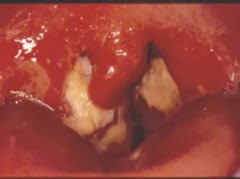
What is Stomatitis

Stomatitis is inflammation or pain in the mouth. This can be in the cheeks, gums, lips, or on the tongue. There are two main forms of stomatitis and aphthous stomatitis: herpes stomatitis. The second form usually occurs more frequently in children and adolescents.
Herpes stomatitis is an infection, usually in children between the ages of six months and five years. This is an infection with Herpes simplex virus, the same virus that causes cold sores on the outside lip of the adult. It is related to the virus that causes genital herpes, but not the same virus.

Aphthous stomatitis also called canker sores. They are one or a bunch of little holes or gingivitis, inner cheeks, lips, or tongue. Herpes stomatitis usually marked by some blisters that occur on the palate, gums, cheek, tongue, lips or the border. Eat, drink, and swallowing may be hard.

Dehydration is a risk. Drooling, pain and swelling of the gums may occur. Children can become very angry. Fever is an infection alert, which could be as high as 105 degrees Fahrenheit. Fever occurs a few days before the blisters appear. When pop blisters, ulcers can form in their place. This ulcer secondary infections can occur. The infection takes place between 6-12 days.

Aphthous stomatitis or canker sores are round or oval ulcers with a border of red, inflamed. This Center is usually white or yellow. Most canker sores are small and oval, and heal within 1-2 weeks without scarring. Cut the larger, irregular may occur with widespread injuries and took six or more weeks to heal. This can leave scars on the mouth.

Herpes stomatitis can be treated with antiviral drug acyclovir. This can shorten the time of infection. Dehydration is a risk with the kids, making them to drink enough fluid is important. Recommended liquid diet consists of non-acidic foods and drinks. Acetaminophen for pain and fever are recommended.

For severe pain, topical lidocaine can be used. Lidocaine numbs the mouth completely. This can cause problems with swallowing, Burns, or choke. It should be used with caution. This is a serious complication that can lead to blindness. Seek treatment immediately.

Aphthous stomatitis is usually not severe and do not require treatment. Significant pain or if the wound is larger, topical creams with benzokain or other numbing agents can be applied. Mouth rinses or light salt water mouthwash may help.

Applying milk of magnesia several times a day may be soothing. Diluting the hydrogen peroxide with equal parts of water and a little DAB on any sore inflammation may relieve some. To severe outbreaks, rinse the mouth of Tetracycline can speed healing. However, it can permanently stain the teeth develop young kids. Rinsing steroids may also be used to reduce inflammation.

For large outbreaks of canker sores, drugs that may be prescribed includes simetidin, colchicine, or even oral steroid drugs. This is rarely used, and only for complex repetitive thrush back. Sometimes, thrush chemically burned away with debacterol or silver nitrate.

The wounds take a long time to heal or a fever that would not go away requires medical treatment. Injuries that come back again and again might indicate a more serious condition or a secondary infection. Patients should speak with their doctor in the case. Herpes stomatitis is an infection that will be made in the system of the child for the rest of their lives.

Prevent children from kissing or sharing utensils with someone with a cold sore is open can help prevent the spread of infection. For aphthous stomatitis, certain nutritional supplements such as B vitamins can help. Foods high in these vitamins can also help.

Proper oral hygiene is important, as is avoiding spicy or acidic foods that may have triggered the outbreak. Another way to avoid the plague is not talking while eating, as this increases the possibility of biting the cheek. Dental wax can smooth the edges of dental appliances such as retainers or braces. If stress seems to be the trigger, the relaxation exercise can help.